How to show up in ChatGPT: 3 doors and how to measure
Your site does not "get into" ChatGPT. There is no registration, no advertiser dashboard, no inclusion form. People who go looking for one lose a few hours and come away thinking the game is rigged.
It is not rigged, but it does work differently from what most of the market is selling as "GEO". In February 2026 OpenAI announced that ChatGPT had reached 900 million weekly active users, and in Brazil a study by Instituto Locomotiva released the same month found that 87% of Brazilians have already used an AI tool or website. A lot of people now ask the chatbot what they used to type into Google, and the answer comes back pre-chewed, with two or three sources cited. Either your company is one of them, or it does not exist in that conversation.
The part almost nobody solves comes next: you can work through a ten-item checklist and still have no idea whether it worked.
How to show up in ChatGPT: allow the OAI-SearchBot crawler in your robots.txt, publish pages that answer specific questions directly, with numbers and a visible date, and earn mentions on sites the AI already treats as reliable. ChatGPT cites sources it can read, understand and verify, in that order.
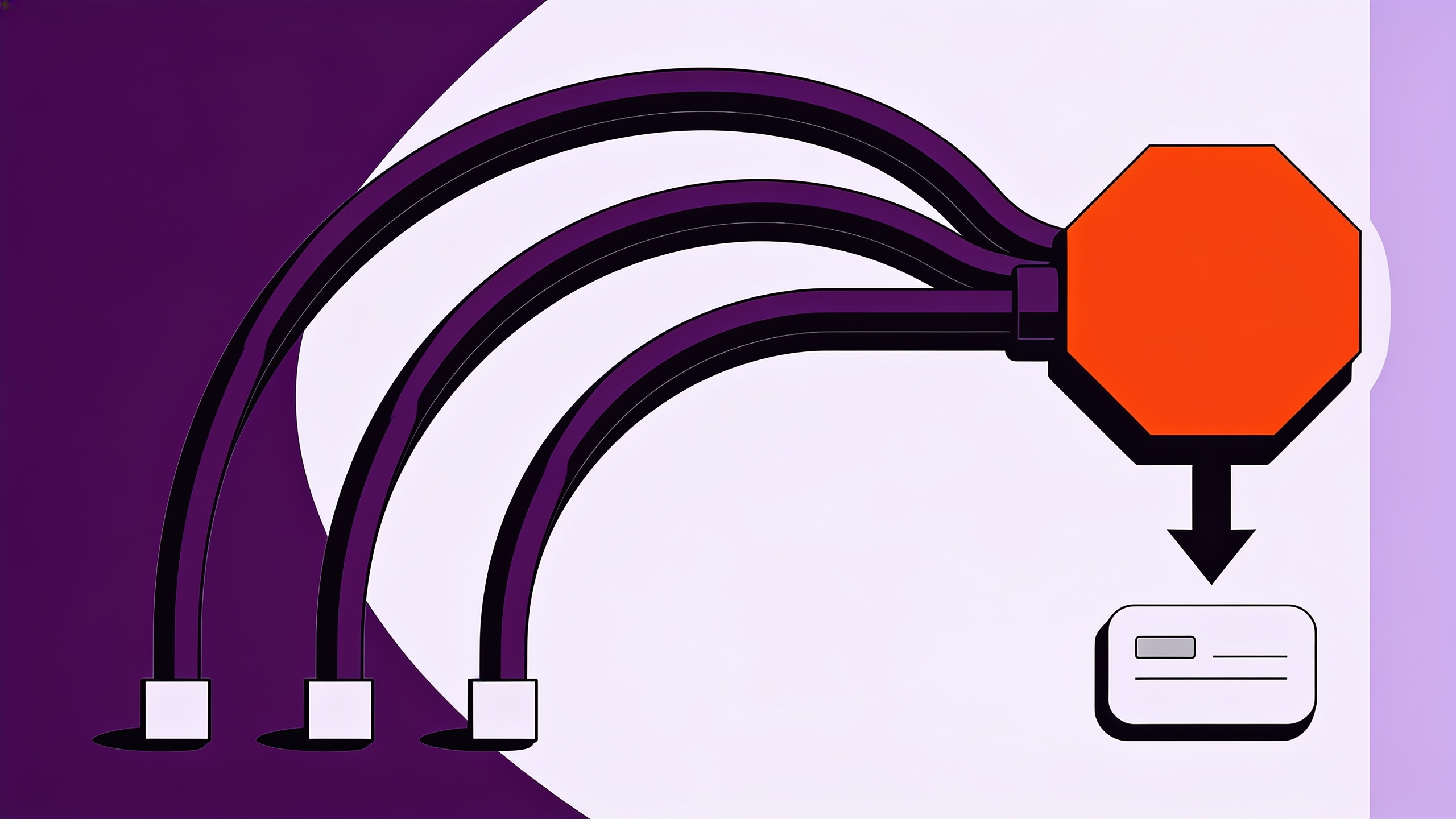
The three doors into ChatGPT
Before any tactic, it helps to know that OpenAI runs different crawlers for different jobs. It is in OpenAI's bot documentation, and it is exactly what most guides skip. The result is people blocking the wrong door and believing they did their homework.
Door 1: live search (OAI-SearchBot)
This is the door that matters most today. When ChatGPT needs current information, it queries its own index, fed by OAI-SearchBot. OpenAI's documentation is blunt about it: sites that block this agent do not appear in ChatGPT search results. No appeal, no exception.
In practice, it is the first place to look. Plenty of robots.txt files were copied from a template that blocked anything smelling of AI, back when the worry was training data. That line now costs visibility every single day.
Door 2: the link someone pastes into the chat
When a user asks ChatGPT to open a specific URL, ChatGPT-User steps in and reads the page right then. It sounds like a detail, but it carries weight in B2B and in any considered purchase: the buyer pastes your link and a competitor's and asks for a comparison.
If your page hides pricing behind a form and talks about "tailored solutions", the answer gets written with the other company's numbers. You were not judged poorly. You were skipped for lack of content.
Door 3: model training (GPTBot)
GPTBot collects content that may feed the training of future models. It is the slowest door, the least controllable, and the one that helps least in the short term. Worth knowing: blocking GPTBot while allowing OAI-SearchBot is a legitimate choice. You avoid becoming training material without giving up search visibility.
Why the AI cites one source and ignores another
Language models do not rank pages the way a search engine does. They assemble an answer and then need to back it up. So they hunt for passages that are already shaped like an answer. Three criteria show up again and again:
- Easy extraction. One short paragraph that answers the whole question on its own beats eight paragraphs that only answer it together.
- Cross-confirmation. If your number also appears somewhere else, the odds of citation rise. An exclusive figure with no stated method tends to get avoided.
- A trail of updates. A visible date, a named source and checkable values lower the risk of the AI asserting something wrong in your name.
An electrical supplies distributor in the interior of São Paulo shows the gap well. The site had 40 catalogue pages and not one that answered "what cable gauge do I need for a 7,500 W shower heater". People ask that every day. A forum and a smaller competitor answered it. Domain authority had nothing to do with it: nobody had written the answer.
What to change on your site this week
The table separates what classic SEO rewards from what an AI answer rewards. The two overlap a lot, and that is the good news: you are not starting from scratch.
| Classic SEO rewards | An AI answer rewards |
|---|---|
| Keyword in the title | The exact question as the section heading |
| Long, comprehensive copy | A 40 to 60 word passage that stands alone |
| Links from any strong site | Mentions in comparisons, lists and industry forums |
| An annual content review | A visible update date and a checkable number |
| A broad corporate page | A page with price, lead time, coverage and limits |
Three concrete moves, in the order I would make them:
- Open robots.txt and confirm that OAI-SearchBot, PerplexityBot and Google-Extended are not blocked by accident.
- Take the ten questions your sales team answers most often over chat and turn each one into a section, question as the heading, answer in the first lines.
- Publish the numbers only you have: average lead time, price range, cities served. Verifiable data is what the AI prefers to cite.
None of this is news to anyone who already works on content. The difference is writing to be quoted, not to be read end to end. It is the same shift in thinking we described in how to use AI in digital marketing.
How to measure whether it is working
This is the hole in GEO guides: tactics with no thermometer. Without measurement you repeat the same effort for six months without knowing whether it pays. Split it into three layers.
Layer 1: are you being cited?
Build a fixed panel of 30 to 50 questions a customer would ask before buying from you. Run the same questions once a month, in the same format, and log the result in a spreadsheet: brand cited, cited with a link, or absent.
A simulated example, just to give the maths a scale. In a panel of 40 questions, a company appears in 9 answers: 22.5% share. Two months later, with 12 question pages published, it rises to 14 citations, or 35%. The absolute number matters less than the direction and the comparison against two or three competitors on the same panel.
Layer 2: is the crawler arriving?
This is the layer nobody looks at, and it explains most failures. In your server logs, or in your CDN dashboard, filter by the OAI-SearchBot user agent and see which URLs it visited and when. If new pages are still missing after three or four weeks, the problem is not the writing. It is access.
Layer 3: does the visit become a customer?
AI traffic lands in GA4 as a referral from chatgpt.com, perplexity.ai and friends. Create a segment with those sources and track sessions, conversions and revenue the same way you do for every other channel, as covered in our guide to website metrics in GA4. For links you distribute yourself, standardise your UTM parameters instead of relying on the referrer alone.
One warning: the volume will look small in the first months and it is easy to give up looking only at sessions. Before judging, compare the conversion rate of that segment with organic search. If it is higher, the channel deserves more attention than its size suggests. It is worth treating AI citations as a top-of-funnel indicator alongside your other digital marketing KPIs.
The mistakes that keep you out of the answer
The most common one is content that only exists after JavaScript runs. If the answer appears on screen but is not in the initial HTML, the crawler may simply never see it. Turn JavaScript off in your browser and look at what is left.
The second is the scattered answer: the information exists, but spread across five distant paragraphs, forcing the AI to stitch it together. It prefers whoever stitched it already.
The third is copy with no number and no date. "Fast service and competitive pricing" supports no claim at all. "Delivery in 48 hours across the metro area, price list updated in March" does.
Frequently asked questions
How do I get my company to show up in ChatGPT?
Allow OAI-SearchBot in robots.txt, publish pages that directly answer the questions your customers ask before buying, and pursue mentions in comparisons and lists in your industry. Then build a question panel and track month to month whether the citation appears.
How do I get my website to show up in ChatGPT?
Start with robots.txt. If OAI-SearchBot is blocked, nothing else works. Next, make sure the content sits in the HTML without depending on JavaScript, and that each page answers one clear question in its opening lines.
What is the difference between GEO and AEO?
AEO (answer engine optimization) means optimising for direct answers, including Google's featured snippets. GEO (generative engine optimization) means optimising to be cited by generative systems such as ChatGPT, Perplexity and Gemini. In practice the work overlaps almost entirely.
Can you pay to appear in ChatGPT?
So far there is no format that buys a citation inside the organic answer. OpenAI's documentation does list a crawler dedicated to ad pages, OAI-AdsBot, but that is a separate thing: advertising does not buy the source the AI cites.
How long does it take to show up?
It depends on the door. A new page can be cited by live search within weeks, as long as the crawler reaches it. Model training runs on a different timescale, and it is not where to place your bet.
The costliest mistake here is not technical, it is a matter of posture: treating AI visibility as one more content project, with no thermometer attached. Teams that measure citations, crawling and conversion learn in eight weeks what most take a year to understand, and they course-correct along the way. If your Meta Ads, Google Ads, GA4 and CRM data already live in one place, that reading does not have to become another manual spreadsheet: with Sherlok you ask in plain language which source converts best and get the analysis back ready. But start with robots.txt this week. The rest follows.
Want to see this in your own data?
Connect your accounts and ask your first question in 5 minutes.
- No card to start
- Nothing changes in your accounts without your approval