
Best Data Analytics Tools for Businesses
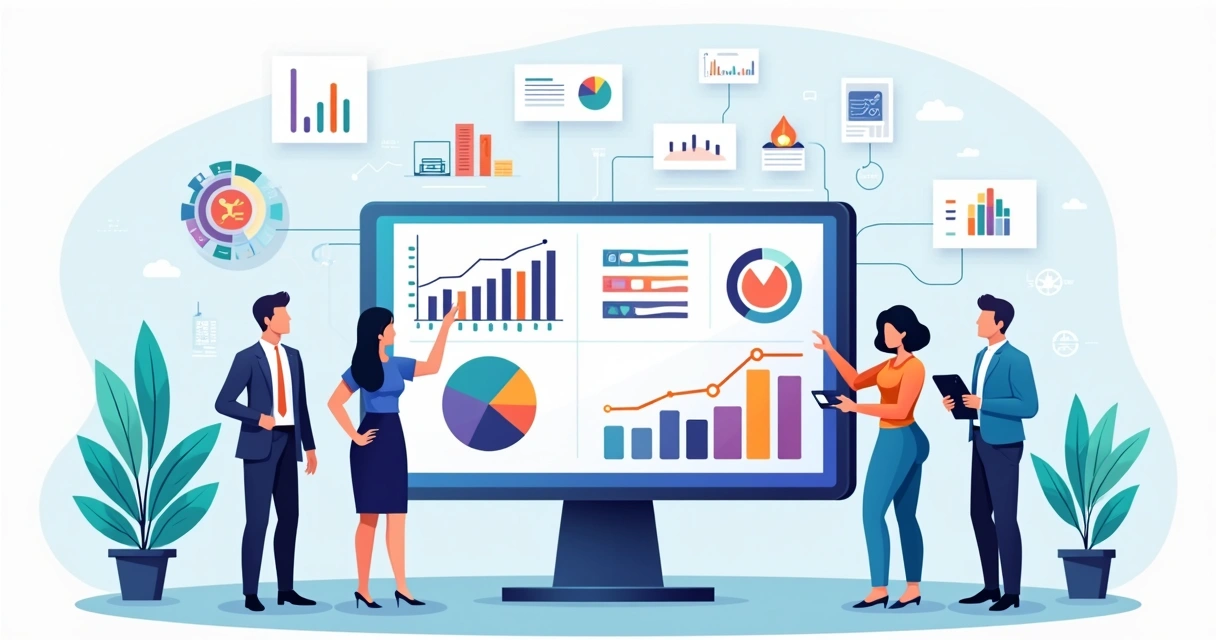
In today's landscape, making assertive, data-driven decisions has become more than a competitive advantage. It's a requirement for businesses that want to grow and adapt to market speed. With digital transformation, the amount of data generated by companies has increased exponentially, highlighting the need for agile, intelligent, and integrated structures to collect, analyze, and interpret this information. Therefore, choosing the best solutions for data management and analysis goes beyond technology implementation: it's about creating a data-driven culture capable of transforming raw data into real growth opportunities.
This article details how data analytics tools change the daily lives of companies of all sizes, lists the main trends, such as automation, integration, visualization, machine learning, and artificial intelligence, and discusses essential criteria for choosing the ideal platform.
Data alone doesn't solve anything. The secret lies in intelligent and strategic analysis.
The advance of data-driven solutions in businesses
The expectation for those who want to achieve intelligent management is directly associated with the efficient analysis of data circulating daily in CRMs, marketing platforms, finance, sales, human resources, and many other systems. From spreadsheets to robust databases, everything can become a source of knowledge, as long as there are tools capable of integrating, organizing, correlating, and displaying results simply.
According to IBGE, in 2022, 84.9% of medium and large industries in Brazil used at least one advanced digital technology. Among them, big data analysis stands out, present in 23.4% of these companies. This trend gained even more strength with the adoption of artificial intelligence-based solutions, which increased from 16.9% to 41.9% between 2022 and 2024, according to a new IBGE survey in the industrial sector.
This acceleration shows that modern data tools are no longer a luxury but part of everyday corporate life. Platforms such as Sherlok follow this line by delivering an analytical experience centered on integration, automation, and AI-guided insights.
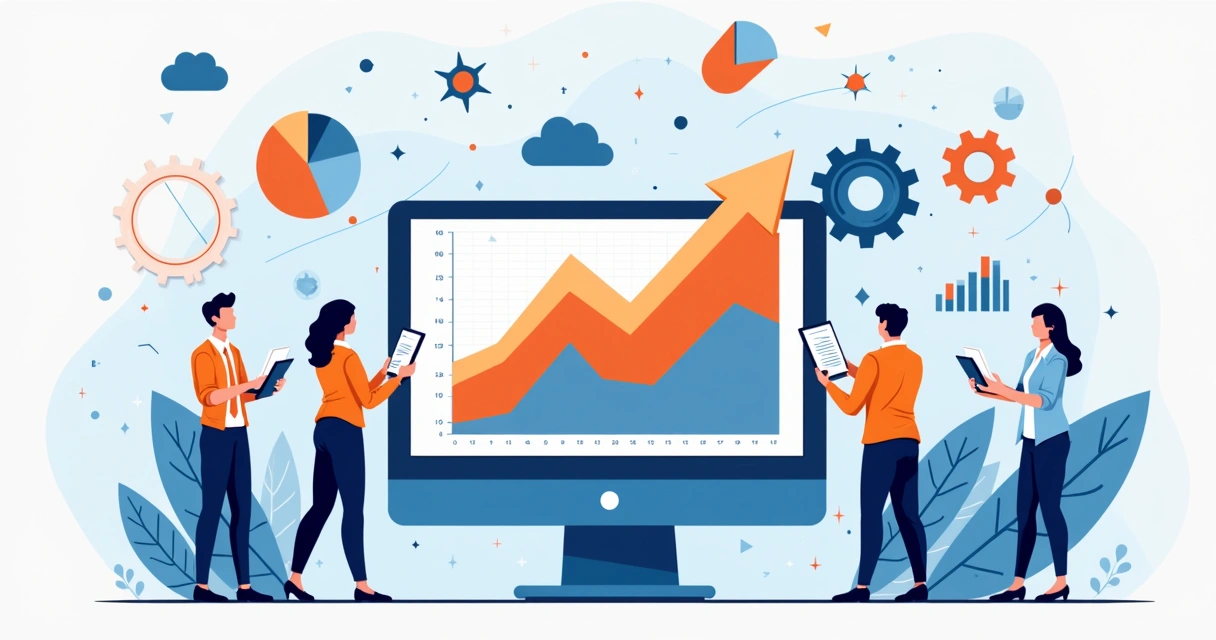 Concept of data-driven culture
The adoption of the best data analysis solutions impacts how companies view their own decisions. Building a data-driven culture means adopting processes, routines, and even mindset changes, where decisions are based on insights and not on guesswork.
In this path, the integration between different systems presents itself as an important first step. Data spread across multiple tools, isolated and without communication between them, tends to generate noise and waste strategic potential.
The data-driven culture is born when the right data reaches the right person, at the right time.
Managers and teams begin to trust reports more if they know that they reflect the reality of the business transparently, objectively, and accessibly.
Practical criteria for choosing an analytical solution
The market offers dozens of options for analysis. But which characteristics should receive the most attention to ensure a choice compatible with what the business needs today, and that will continue to meet those needs tomorrow, as the organization grows?
Ease of use
Adopting an analytical tool should not be synonymous with hiring an entire team of IT specialists. Ideally, the platform should have an intuitive interface, allowing analysts, marketing professionals, sales teams, or HR to take advantage of dashboards, automatic reports, and personalized analyses without relying on programming.
System integration
A modern company's environment is plural: ads, emails, social media, CRM, spreadsheets, marketplaces, internal systems, everything needs to communicate. Total integration reduces rework and eliminates the need to manually migrate data between systems.
Projects like Sherlok invest heavily in this concept, allowing multiple sources to be connected, regardless of the company's size.
Routine automation
Automating repetitive tasks saves time and reduces the risk of human error. Sending automatic alerts, data-driven suggestions, and scheduled reports are examples of this gain.
Clear data visualization
Easy-to-understand visual dashboards democratize information within companies. Customizable graphics, dynamic filters, and drag-and-drop features are differentials that make a difference, especially for multidisciplinary teams.
Scalability
What works for a company with 10 people doesn't necessarily work for one with 1,000. Therefore, evaluate whether the platform can grow with the business, addressing different levels of complexity without performance loss.
Security and compliance
In the GDPR environment, protecting privacy is non-negotiable. Good platforms deliver advanced control features, access management, and traceability to ensure compliance, in addition to guaranteeing backups and encryption.
Advanced connectivity
Access to external APIs, integration with databases, and possibilities to connect to specific marketing and CRM solutions make all the difference in maximizing analytical potential.
- Ease of implementation
- Response speed (real-time or near real-time)
- Effective technical support
- Accessible cost and flexible models
- Available documentation and training
These topics may vary according to the company's digital maturity, but they always form the basic core for selecting a truly efficient solution.
Essential functionalities for modern data analysis
It's common for the choice to fall on a solution that provides a balanced mix of integration, automation, visualization, and intelligence. The advancement of artificial intelligence has opened doors for even smarter automations, as we will see below.
1. Integration of multiple sources
Unifying multiple databases is one of the most cited challenges by managers. The ideal is to absorb information from spreadsheets, ERPs, CRMs, ads on digital platforms, SQL or NoSQL databases, legacy systems, and external partner APIs, all in a single panel.
2. Automatic report generation
Active dashboards, statistics, pivot tables, and periodic reports ensure agility for day-to-day decisions. Automated sending to different teams also eliminates bottlenecks.
3. Customization and segmentation
Being able to create segmented reports by area, product, channel, region, or customer profile is a basic point in any truly efficient tool.
4. AI-driven recommendation
Here, artificial intelligence acts as a differentiator: it detects patterns, identifies trends, and suggests actions based on the business's data history, anticipating possibilities. AI not only analyzes the data but also points out what can be done with it.
This is one of Sherlok's pillars: delivering automated suggestions, transforming reports into action plans.
5. Smart alerts
Anomaly detection, performance drops, and risk indicators are automated, ensuring quick attention to unexpected changes and facilitating real-time monitoring.
6. Responsive visualization
Mobile and tablet compatible dashboards increase mobility, allowing access to information anywhere and anytime, including during trips and external meetings.
7. Machine learning in practice
With machine learning, it's possible to identify opportunities for continuous improvement, predict revenues, demand stocks, and even suggest personalized operational changes, reducing failures and surprising with insights that would go unnoticed in the manual method.
 How tools drive different sectors
Each segment has its peculiarities, but all can benefit from platforms that analyze data quickly and personally. Below are some practical examples of use in diverse sectors:
Retail and e-commerce
- Monitors the performance of digital campaigns, sales, average ticket, and customer journey in real-time.
- Detects popular products, forecasts stockouts, and adjusts pricing based on automatically detected trends.
According to an article from Revista Fatec Guarulhos, intelligent automations reduce manual effort and increase decision-making precision.
Industry
- Analyzes operational efficiency, machine yield, daily production, and batch quality.
- Predicts maintenance and identifies productivity drops with AI.
In the Brazilian industrial segment, a UFERSA study proved that AI increases data protection and exploration, in addition to assisting in compliance with standards.
Financial services
- Allows automatic analysis of revenues, costs, delinquency, and credit risk.
- Visualizes trends to predict movements and adapt strategies.
Solutions that combine automation, machine learning, and integration with banking systems are currently the best performing in this segment.
Education
- Monitors academic performance, school dropout rates, approval rates, and student evolution.
- Data cross-referencing helps personalize learning paths and improve indicators.
Another benefit is the creation of automatic reports for regulatory bodies, reducing bureaucracy.
Agribusiness
- Analysis of agricultural productivity, climate, pests, input costs, and crop forecasting.
- The integration between IoT sensors and dashboards allows for faster decisions in the field.
This broad flexibility shows how open, integrable, and automated platforms adapt to distinct realities, allowing from simple analyses to complex AI-driven operations.
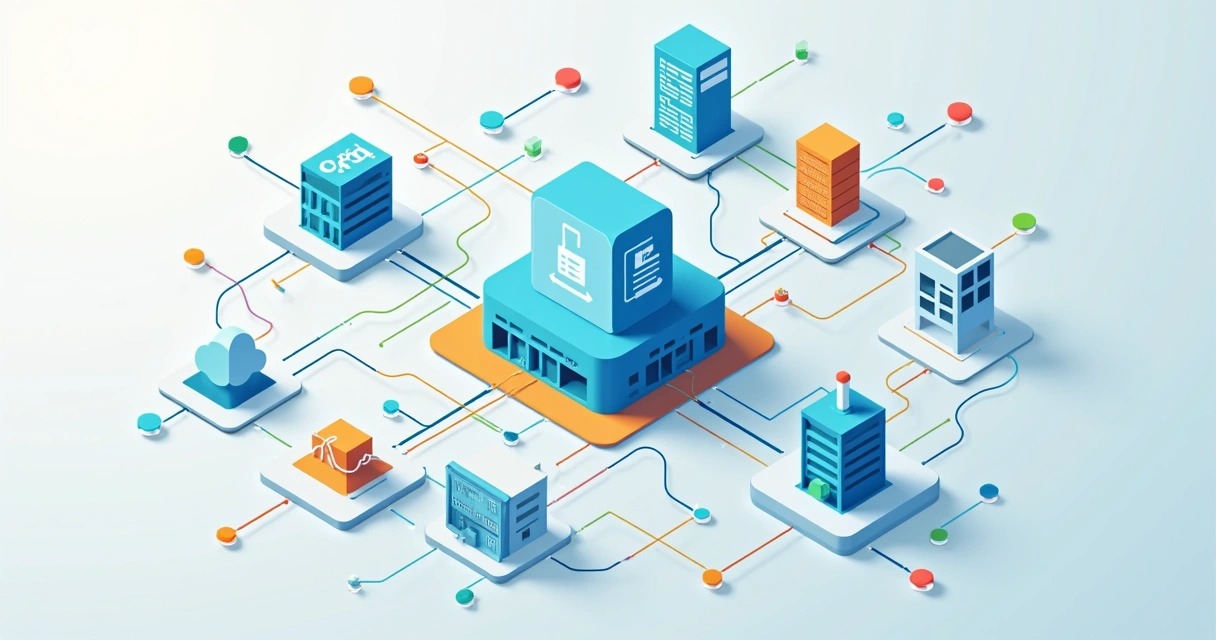 Artificial intelligence and automation: where we are now
Artificial intelligence in analysis tools has gone beyond simple data organization, as highlighted by IFPB by showing gains in reducing operational errors and increasing agility in decision-making in small businesses. The cycle of collection, processing, and recommendation now occurs with low human intervention, allowing managers to focus on strategy.
In practice, AI can identify invisible correlations, anticipate demands, detect anomalies, and create alerts that prevent losses.
For example: detecting changes in seasonal sales patterns, sending personalized recommendations for each sector, or even executing automated actions to correct deviations can be done in minutes.
Recent studies in Revista Fatec Guarulhos and UFERSA research reinforce: in addition to automation, AI increases the precision of predictions and enhances information compliance, which is fundamental in the current regulatory environment.
Modern tools, like Sherlok, already bring the future promise of intelligent agents: systems capable of acting automatically based on suggested recommendations, closing the
Your AI agents already know what to do in your account.
Turn them on free, no credit card.
- No credit card
- Read-only access
- Revoke it any time